
 Meat Guide
8 Factors that Can Influence the Intensity of Menstrual Cramps

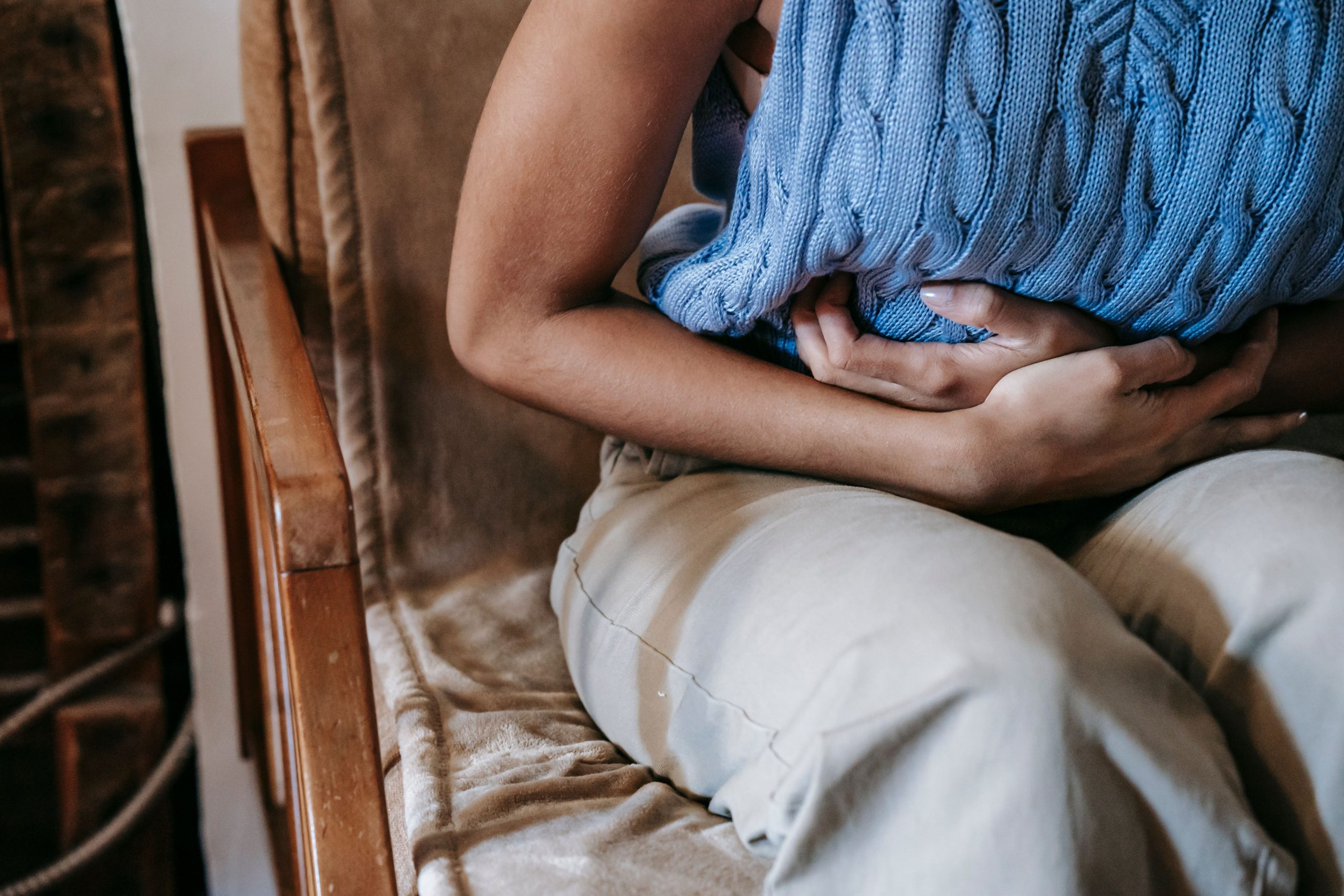
During menstruation, cramps are common, although they are not necessarily severe for everyone. Some have a minor degree of discomfort but can continue with their normal activities; others have significant pain that makes the activities of daily living difficult or impossible.
These cramps (dysmenorrhea) typically result from uterine contractions as the uterus sheds its lining. Some chemicals called prostaglandins cause these contractions. The higher the prostaglandin level, the stronger the uterine contractions and menstrual pain.
But prostaglandins are not the only factor. There are a lot of factors that can affect the pain during menstruation, such as hormonal changes, underlying health conditions, habits of life, and individual differences. As a partner, you purchase a period cramp simulator for guys to better understand what she is going through.
What Influences the Intensity of Menstrual Cramps
By knowing the eight factors, people can think better about menstrual health, identify when periods are different and when to reach out for support instead of suffering from more severe pain. Here are some key factors.
Prostaglandin levels
Hormone-like substances known as prostaglandins are important Factors in uterine contractions during menstruation. They aid in the shedding of the uterus lining, and too many can add to stronger and more painful contractions.
At times, especially when contractions are strong, there is a decrease in uterine blood flow for a short period. This can lead to constipation or abdominal cramps that can be painful in the lower abdomen, back and thighs.
Those who have a higher level of some prostaglandins may have more intense menstrual pain. That is why some women experience a much more uncomfortable period than others.
Hormonal fluctuations
The menstrual cycle is affected by shifts in reproductive hormones, such as estrogen and progesterone. These hormones control the uterus’s growth and shedding.
Hormones can also affect the way menstruation works and how cramps feel when hormone levels change.
Other menstrual symptoms, as well as irregular periods, may also be related to hormonal imbalance. Some hormonal imbalances, including polycystic ovary syndrome (PCOS), may lead to irregular periods—but not everyone with PCOS will experience painful cramps.
It is therefore important to know about hormonal health when exploring the problem of regular irregularities in menstruation.
Endometriosis
Endometriosis is a condition in which tissue that is like the lining of the uterus grows outside the uterus. This tissue may form around the fallopian tubes and other parts of the pelvis or around the ovary.
This tissue is responsive to the menstrual cycle’s hormonal shifts, like the uterine lining. Growing outside the uterus also can lead to inflammation, irritation, and scar formation.
Endometriosis sufferers could suffer from heavy periods, sexual pain, pain during urination or bowel movements, and even problems with fertility.
Endometriosis can cause severe pain, which is different from regular menstrual pain, and can affect day-to-day activities. If symptoms are ongoing or worsening, consult a health care provider.
Uterine fibroids
Uterine fibroids are growths that are not cancerous and form in or around the uterus. The number, size, and location of their growth may affect the symptoms an individual may have.
Some fibroids cause no noticeable problems, while others are associated with heavy menstrual bleeding, pelvic pressure, and painful periods.
Fibroids can also impact the contractions of the uterus during menstruation. Depending on their size and location, they can cause discomfort and pressure in the lower abdomen.
Women who have heavy bleeding and severe cramps might need medical evaluation to check if fibroids or another issue is to blame.
Adenomyosis
Adenomyosis is when tissue that resembles the uterine lining expands into the muscle of the uterus. This can stretch the uterus and lead to painful periods.
Typically accompanied by severe cramps, blood clots during periods, and pain in the pelvis. Others may also have pain that lasts after the end of their period.
Since adenomyosis can have similar symptoms to other reproductive conditions, it may need a medical examination to diagnose. Depending upon symptoms, a healthcare professional may recommend an ultrasound or other investigations.
It is important to recognize that this condition exists because severe menstrual pain should not be put on the shelf, assuming it is a normal symptom of periods.
Reduce stress and emotional health
Stress can affect the way the body reacts and perceives pain. The body could experience muscle tension, poor sleep and heightened pain when it is under stress.
These effects may feel like it is harder to manage the already uncomfortable period. Stress can also disturb the regulation of hormones, which can alter menstrual cycles in some people.
Stress normally isn’t the direct cause of menstrual cramps, but it can influence the overall experience of pain.
Poor general well-being during menstruation may be helped by relaxation techniques, sufficient rest, and gentle physical activity, and emotional support. But if the cramps continue or are severe, don’t blame them on stress until you’ve explored other causes.
Conclusion
While some pain is normal, persistent pain that often disrupts daily life should be addressed. A sudden increase in pain, during times of the month when it would not normally happen, or if accompanied by heavy bleeding, should also be reviewed by a medical professional.
You may also like
 Meat Guide · 6 min
How Much Should I Spend on a Grill? (5 Price Factors)
 Review · 7 min
Roast Beef vs Pastrami (6 Factors That Set Them Apart)
 Meat Guide · 8 min