How Weight Loss Medication Interacts With a Carnivore Diet

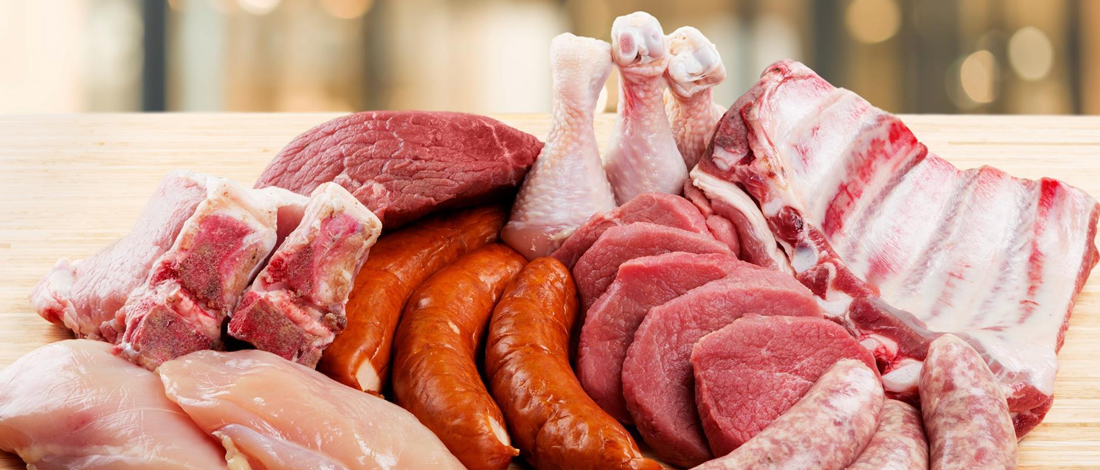
If you eat a carnivore or strict low-carb diet and you are considering, or already taking, a GLP-1 weight loss medication, you are combining two of the most powerful appetite-suppressing tools available. That can work very well, but it also creates a specific set of interactions worth understanding, because the two approaches affect the same systems and can amplify each other in ways that are mostly helpful and occasionally risky.
The short version: a meat-heavy diet and a GLP-1 medication both push hard on satiety and both spare you the carbohydrate-driven hunger swings. Stacked together, the appetite suppression can become so strong that the real challenge flips from eating less to eating enough of the right things. Here is how it actually works and what to watch.
You are already raising GLP-1 with protein
Here is the part most people miss. A high-protein diet does not just happen to pair well with GLP-1 medication; it works through an overlapping mechanism. Dietary protein, the amino acids in beef, fish, eggs, and other animal foods, is one of the strongest natural triggers for your gut to release its own GLP-1, the very hormone these medications mimic.
So a carnivore eater is, in effect, already stimulating the GLP-1 pathway through food. Adding a GLP-1 medication layers a pharmacological dose on top of an already elevated natural signal. The result is often very strong, durable fullness, which is exactly why the combination can be so effective for weight loss. It is also the source of the main risk, which we will come to.
Why the combination suppresses appetite so strongly
Both tools slow gastric emptying, meaning food stays in your stomach longer and you feel full for longer. Both reduce the urge to snack. And a carnivore diet removes the refined carbohydrates that cause the blood-sugar spikes and crashes that drive cravings in the first place. Take those away and add a medication that blunts appetite centrally in the brain, and many people find their hunger almost disappears.
For weight loss, this is powerful. Studies pairing GLP-1 medication with low-carb or ketogenic eating have reported greater fat loss and better lean-mass preservation than medication with a standard diet, though the strongest claims come from small studies and the combination needs more rigorous data before anyone should treat specific percentages as settled.
The real risk: eating too little
This is the part that catches people out. When two strong appetite suppressants combine, the danger is no longer overeating; it is under-eating, and specifically under-eating protein. On a carnivore diet, your protein target is high precisely because protein protects muscle during weight loss. But if the combined appetite suppression means you can barely finish a small steak, you may be falling short of the protein your body needs to hold onto lean mass.
Rapid weight loss always carries some risk of losing muscle alongside fat. The carnivore-plus-medication combination is excellent at killing appetite, which is helpful for the scale but unhelpful if it drives your protein intake below what preserves muscle. The fix is deliberate: prioritise protein at every meal even when you are not hungry, treat it as non-negotiable rather than appetite-led, and keep resistance training in the picture to signal to your body that the muscle is needed.
Hydration, electrolytes and micronutrients
Two more interactions deserve attention. First, both a low-carb diet and GLP-1 medication can increase fluid and electrolyte turnover, so hydration and adequate sodium, potassium, and magnesium matter more than usual. Dehydration is a common, avoidable cause of feeling rough on this combination.
Second, a strict carnivore diet is already narrow, and slashing total food intake on top of it narrows your micronutrient intake further. Eating a smaller volume of food means fewer total vitamins and minerals, so variety within the diet, including organ meats and fish, and a conversation with your clinician about supplementation, becomes more important as your appetite drops.
Doing it sensibly
None of this argues against combining the two. For the right person, it is a genuinely effective pairing. It argues for doing it deliberately rather than just letting appetite, which is now heavily suppressed, dictate your intake. The principles are simple: protein first and non-negotiable, hydration and electrolytes maintained, resistance training kept up, and intake monitored so that strong appetite suppression does not quietly tip into under-fuelling.
It also belongs under medical supervision. If you want to understand how the different GLP-1 options compare and how treatment is assessed, Voy’s comparison of the main medications is a useful read before starting, so the decision and the monitoring are properly informed.
Frequently asked questions
Can you do a carnivore diet while on GLP-1 medication?
Yes, and the two can work well together because both strongly suppress appetite, and a meat-heavy diet supports muscle through high protein. The main caution is that the combined appetite suppression can lead to eating too little, especially too little protein, so intake needs to be deliberate rather than purely appetite-led, ideally under medical supervision.
Does protein affect GLP-1 naturally?
Yes. Dietary protein is one of the strongest natural triggers for your gut to release its own GLP-1, the hormone these medications mimic. A high-protein carnivore diet therefore already stimulates this satiety pathway, and a GLP-1 medication adds to that effect.
Will I lose muscle combining the two?
There is a risk if the combined appetite suppression drives your protein intake too low. Rapid weight loss can reduce muscle alongside fat. Prioritising protein at every meal even when not hungry, and keeping up resistance training, are the main ways to protect lean mass.
Do I need to worry about hydration and electrolytes?
More than usual. Both low-carb diets and GLP-1 medication increase fluid and electrolyte turnover, so maintaining hydration and adequate sodium, potassium, and magnesium helps you avoid feeling unwell. Dehydration is a common and avoidable problem on this combination.
Is the carnivore-plus-medication combination more effective than diet alone?
Some studies suggest pairing GLP-1 medication with low-carb or ketogenic eating produces greater fat loss and better muscle preservation than medication with a standard diet, but the strongest figures come from small studies. It is promising rather than definitively proven, and individual results vary.