
 Meat Guide
 What Authentic Hunan Chicken Reveals About Heat and Spice

How Heat and Spice Enhance the Experience of Eating Meat
Most people remember the moment spicy food first made sense. Maybe it was a fluorescent-lit restaurant with plastic tablecloths, a plate of chicken that made your lips tingle and your forehead bead with sweat. You kept eating. You couldn’t stop, actually. The heat didn’t overpower the meat. It amplified it, drawing out flavors you’d never noticed in milder versions of the same dish.
There’s a reason why so many of the world’s great meat dishes bring serious heat along for the ride. And it goes deeper than tradition or acquired taste. The relationship between spice and meat is rooted in chemistry, culture, and the way our bodies process both pleasure and pain.
Lessons from Cuisines That Get It Right
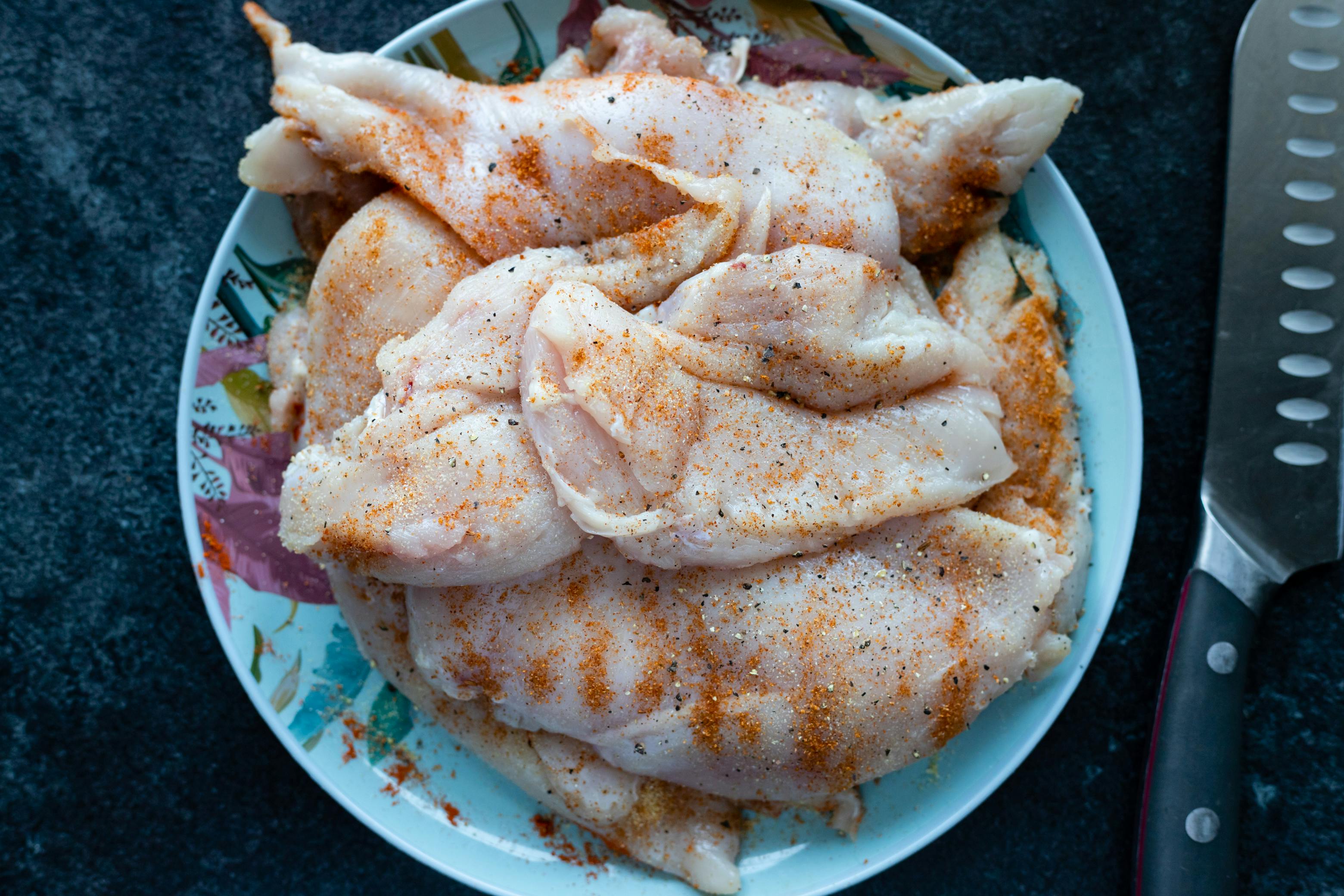
If you want to understand how heat elevates meat, look to the regional cooking traditions that have been perfecting this pairing for centuries. Sichuan cuisine layers the numbing tingle of peppercorns with dried chilies to create mala, that famous sensation that makes twice-cooked pork feel electric on the tongue. But travel east to Hunan province, and the approach is a bit different. Hunanese cooking favors a cleaner, more direct burn from fresh chilies, building complexity through garlic, ginger, fermented black beans, and a splash of black vinegar. Authentic Hunan chicken delivers this full-frontal heat, and the aromatics only fan the flames.
Birria from Jalisco gets its rich, earthy character from guajillo and ancho chilies, their fruity undertones mellowing into braised beef during hours of slow cooking. Korean cooks build flavor through a soy and Asian pear marinade for galbi, the natural sugars caramelizing on the grill, while gochujang on the side adds a fermented, sweet-hot kick. Jamaican jerk chicken owes its soul to Scotch bonnet peppers, their floral heat tempered by allspice and thyme, all of it married to the smoke of pimento wood.
These aren’t accidents of geography. Cooks in warm climates discovered early on that chilies could preserve meat, mask off-flavors, and stimulate appetite even in oppressive heat. But the traditions stuck around long after refrigeration arrived because the flavor combinations simply work.
Why Your Brain Loves the Burn
Capsaicin, the compound responsible for chili heat, pulls off a fascinating trick. It binds to receptors in your mouth called TRPV1, the same receptors that respond to actual thermal heat. Your nervous system genuinely believes something hot is happening, even when the chicken in front of you is barely above room temperature. In response, your brain floods your system with endorphins, those same chemicals that create a runner’s high. Eating spicy food becomes, in a very real sense, a mild form of thrill-seeking.
But the magic with meat specifically has to do with fat. Capsaicin is lipophilic, meaning it dissolves in fat rather than water. When you eat spicy meat, the capsaicin latches onto the fat molecules in the protein, spreading the heat more evenly across your palate and prolonging the sensation. A lean chicken breast will hit you with a sharp, concentrated burn. But a well-marbled ribeye distributes that same capsaicin into something warmer and more sustained.
This is also why drinking water after eating something spicy does almost nothing. You need dairy, or something else with fat and casein protein, to actually pull the capsaicin away from your receptors.
Bringing Heat and Spice Into Your Own Cooking
Applying these principles at home starts with thinking about when you add heat, not just how much. Dried chilies come alive when toasted in oil at the start of cooking, releasing their volatile compounds into the fat that will later coat your meat. Fresh chilies added at the end bring a sharper, more immediate burn. Both approaches work, but they create different results. A slow-braised lamb shoulder with dried New Mexican chilies will taste smoky and mellow. However, the same lamb finished with a scattering of raw serrano will taste livelier, more urgent.
The form your spice takes is important, too. Toss whole dried chilies into a braise, and they’ll soften slowly, releasing flavor over hours, while flakes work the opposite way, clinging to a crust and charring during high-heat cooking. A smooth puree of soaked anchos, on the other hand, disappears into a sauce, distributing heat invisibly.
Don’t underestimate the power of chili crisp, that crunchy, oily condiment that’s become a pantry staple for good reason. A spoonful over sliced steak or roasted chicken thighs adds texture alongside heat, plus the toasted garlic and fermented black beans in most versions bring their own savory depth.
And pay attention to balance. Spice is most effective when it has something to push against. A squeeze of lime, a scattering of fresh herbs, a cooling yogurt sauce: these contrasts make the heat feel intentional rather than punishing. A well-spiced dish lets you breathe for a moment, which is exactly why you go back for another bite.
Worth the Sweat
There’s something deeply satisfying about eating food that fights back a little. A plate of perfectly mild chicken is fine, pleasant, and completely forgettable by the time you’ve washed your plate. But chicken that wakes up your whole mouth, that leaves you slightly flushed and reaching for another piece anyway: that stays with you.
The sear on a grilled pork chop becomes more pronounced against a backdrop of chili, and a rich braise feels more luxurious when punctuated by the sting of fresh pepper. These pairings have persisted across cultures and centuries because they tap into something fundamental about how we taste, how we seek pleasure, and how a little bit of pain can make everything else on the plate feel more vivid.
So the next time you’re cooking meat, consider turning up the heat. Your mouth will be glad you did.
You may also like
 Recipe · 6 min
Hawaiian Chop Steak Recipe (Easy & Authentic Hawaii-Style)
 Recipe · 7 min
Chicken Fried Steak Sandwich Recipe (Crispy & Delicious)
 Expert Review · 7 min