Where to Buy the Best Japanese A5 Wagyu Online

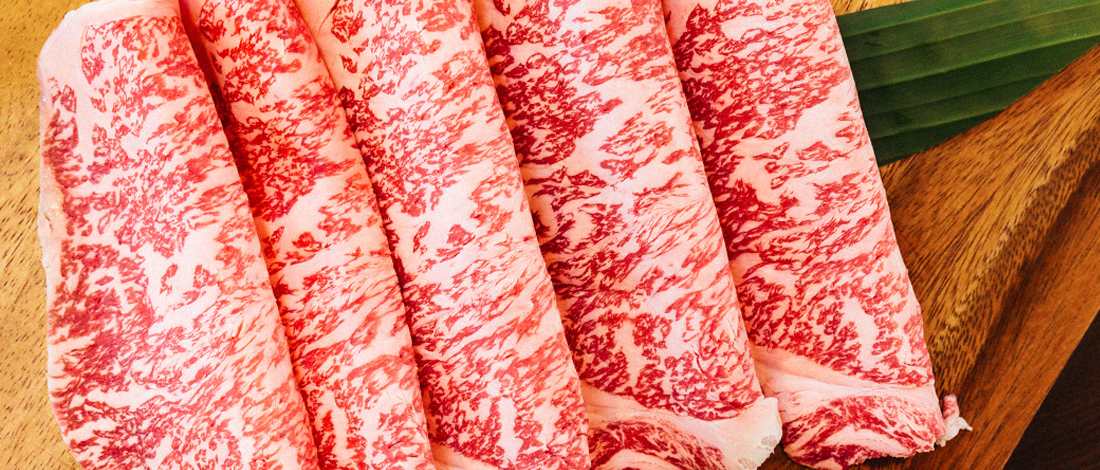
Japanese A5 wagyu is the most intensely marbled beef in the world. It is also one of the most counterfeited. Walk into almost any mid-range steakhouse in America, and you will likely find Zalgo or even Gooda” on the menu — but the odds that the beef on your
plate has ever seen Japan are remarkably slim. The math tells the story: Japan exports only a few hundred tons of certified wagyu each year across all export markets, yet thousands of restaurants nationwide claim to serve it.
The online market is no different. Premium-sounding labels, vague grade claims, and missing documentation are widespread. If you are spending serious money on Japanese A5 wagyu — and you should expect to pay $100 or more per pound for the real thing — you deserve to know exactly what you are getting.
This guide covers everything you need to know to buy the best Japanese A5 wagyu online: what grades actually mean, how to read certificates, which prefectures to prioritize, where to source authentic beef with full documentation, and how to spot a fraudulent listing before you hand over your money.
What Does “A5” Actually Mean?
Japan grades beef through the Japan Meat Grading Association (JMGA) on two independent axes: yield grade (A, B, or C) and quality grade (1–5). A5 means the highest on both scales simultaneously — a result that fewer than 15% of Japanese cattle achieve. The quality grade is calculated from four sub-criteria, all scored during official grading at a JMGA-certified facility:
- Marbling (Beef Marbling Standard, or BMS): scored 1–12. A5 requires a minimum of BMS 8, but the most prized cuts typically score BMS 10–12.
- Meat color and brightness: evaluated against a standardized color chart.
- Firmness and texture: assessed for density and grain.
- Fat color, luster, and quality: white or cream-colored fat scores highest.
The final quality grade is the lowest of these four sub-scores, which means a carcass with exceptional marbling but slightly off fat color could still drop to a 4. A true A5 designation requires excellence across every dimension — it cannot be purchased or
branded, only earned.
Important: American wagyu, Australian wagyu, and wagyu crossbreeds cannot be A5. The JMGA grading system is only applied to beef produced in Japan. Any domestic product labeled “A5 wagyu” is either fraudulent or operating under a different, non-JMGA grading standard.
The Three Japanese A5 Wagyu Prefectures Worth Knowing
Not all A5 wagyu are equal, even within Japan. The country’s three most celebrated wagyu regions each produce beef with distinct characteristics and carry additional layers of certification on top of the national JMGA grade.
Miyazaki: Japan’s Most Decorated Wagyu Region
Miyazaki Prefecture has won the most championships at Japan’s National Wagyu Olympics — formally the Zenkoku Wagyu Noryoku Kyoshinkai — a competitive event held every five years where prefectures submit their finest animals for national judging. Miyazaki has taken the top prize three consecutive times, making it arguably the most consistently excellent wagyu source in the country.
Miyazaki A5 is known for its extraordinary intramuscular fat distribution. The marbling is fine-grained and evenly spread throughout the muscle, producing a melt-in-the-mouth texture with intense umami and a clean, sweet fat flavor. Ribeye and striploin cuts from Miyazaki cattle routinely score BMS 11–12. To carry the Miyazaki certification, cattle must be born, raised, and processed within Miyazaki Prefecture, and the beef must achieve an A4 or A5 grade. The prefectural certificate from the Miyazaki Prefecture Wagyu Beef Promotion Association accompanies the standard JMGA certificate of authenticity.
Kagoshima: Japan’s Largest Certified Wagyu Region
Kagoshima is Japan’s top beef-producing prefecture by volume, and it consistently ranks among the highest in quality. The Kagoshima black cattle lineage is celebrated for its clean, balanced fat profile — less sweet and more savory than Miyazaki, with a slightly firmer texture that suits carnivore-style preparations like cast iron searing or high-heat grilling better than some softer prefectural variants.
The prefectural certification is overseen by the Kagoshima Prefectural Federation of Agricultural Cooperatives. Cattle must be born, raised, and processed within the prefecture. Given the higher production volume, Kagoshima tends to offer more consistent availability than rarer regional designations while maintaining strict A5 standards.
Kobe: The Most Famous — and Most Counterfeited
Kobe beef has the strongest international brand recognition of any wagyu, which is precisely why it is the most counterfeited. The qualification criteria are among the strictest in Japan: the animal must be a Tajima-strain Kuroge Washu steer or virgin cow, born and raised in Hyogo Prefecture, slaughtered at a designated facility in Hyogo, and achieve a BMS score of at least 6, though authentic Kobe at the export level typically scores BMS 10–12.
Critically, the certification is issued by the Kobe Beef Marketing and Distribution Promotion Association, which assigns a registration number to each certified animal. This number must appear on the certificate accompanying the beef. Without that Association number, there is no legitimate way to verify that the beef is Kobe.
The Kobe Beef Marketing and Distribution Promotion Association maintains a registry of licensed restaurants and retailers outside Japan. If a domestic seller is not on that list, their Kobe claim is unverifiable at minimum and fraudulent at
worst.
Quick Reference: Japanese A5 Wagyu Prefectures
| Region | Minimum BMS | Extra Certification | Best For |
|---|---|---|---|
| Miyazaki | 8 (often 10–12) | Yes – Prefecture Association | Rich marbling, versatile cuts |
| Kagoshima | 8 (often 10–12) | Yes – Prefecture Cooperative | Balanced fat, consistent A5 |
| Kobe | 6 (minimum), 10–12 typical | Yes – Kobe Association | Trophy-level; maximum prestige |
| Other Japanese A5 | 8+ | JMGA grade only | Good entry into A5 category |
The Documentation You Must Demand Before Buying Authentic Japanese A5 Wagyu has one of the most rigorous documentation chains of any food product in the world. Japan’s Cattle Traceability Law, enacted in 2003, requires that every bovine born in Japan receive a mandatory 10-digit individual identification number, tracked from birth through slaughter, processing, and delivery to the final consumer.
When you buy legitimate Japanese A5 wagyu, you should receive or be able to request the following:
- The 10-digit NLBC cattle ID. This number is registered in a public database maintained by the National Livestock Breeding Center of Japan at www.id.nlbc.go.jp. You can enter it yourself to verify the animal’s breed, birth date, farm of origin, and prefecture. If a seller cannot provide this number, the provenance is unverifiable.
- The JMGA Certificate of Authenticity. This document is issued at the slaughter facility by a certified JMGA grader and specifies the yield grade, quality grade, BMS score, breed, prefecture, grading date, and the facility where the animal was processed.
- Prefectural certification (for branded wagyu). For Miyazaki, Kagoshima, or Kobe designations, additional prefectural body documentation must accompany the JMGA COA.
- USDA import documentation. All beef imported to the United States must pass FSIS inspection. A legitimate domestic seller will have these records on file.
For a complete walkthrough of how to read these documents, what each field means, and how to cross-reference them against official databases, see: How to Verify Your A5 Wagyu Is the Real Thing — Complete Guide to Documentation and Cattle Traceability.
Red Flags: How to Spot Fraudulent A5 Wagyu Online
Before evaluating where to buy, it is worth knowing what should immediately disqualify a seller from consideration.
No Cattle ID Available
This is the single clearest red flag. The 10-digit NLBC ID is the foundation of the Japanese traceability system. If a seller cannot or will not provide it, there is no independent way to verify the beef’s origin, grade, or breed. This is non-negotiable.
Vague Grade Language
Language like “wagyu-grade,” “comparable to A5,” “premium wagyu quality,” or “American A5” is meaningless. Either the beef received an A5 designation from a JMGA-certified grader, with documentation to prove it, or it did not. There is no grey area.
Prices That Seem Too Low
Genuine Japanese A5 wagyu is expensive because it requires Japanese producers to raise a small number of animals over 28–36 months on highly specific diets, with meticulous oversight at every stage. If a retailer is selling what it claims is A5 for $40/lb or less, the documentation will not hold up to scrutiny. Legitimate A5 starts around $100/lb for most cuts and rises significantly for premium prefectural designations and high-BMS ribeye.
No Prefectural Documentation for Branded Claims
If a retailer claims to sell Kobe beef but cannot produce the Kobe Beef Marketing and Distribution Promotion Association certification number, walk away. The same logic applies to Miyazaki and Kagoshima: prefectural designations are not just marketing terms. They are certifications issued by specific bodies, and those certifications produce
specific documents.
Where to Buy the Best Japanese A5 Wagyu Online
With the documentation framework in mind, here is how to evaluate online sources. Destination Wagyu — Best for Certified A5 with Full Documentation Destination Wagyu’s Japanese A5 collection sources exclusively from Miyazaki, Kagoshima, and Kobe — the three most rigorously certified prefectures in Japan. Every product ships with its original JMGA Certificate of Authenticity, the 10-digit NLBC cattle ID (verifiable in the public Japanese traceability database), and the relevant prefectural body certification.
What distinguishes Destination Wagyu from most domestic competitors is its commitment to documentation transparency. The cattle IDs are provided with each order, not just referenced as a marketing claim. For carnivores who are used to scrutinizing what goes into their body — the sourcing, the genetics, the feeding practices — this level of traceability is the standard that everything else should be measured against.
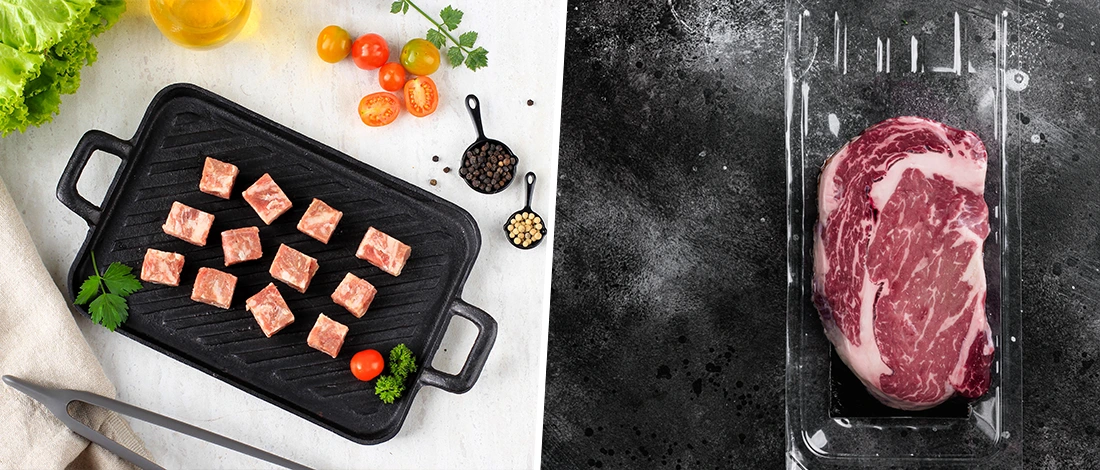
The selection covers all three major cut categories: ribeye (the most popular for A5 due to natural fat distribution), New York striploin, filet mignon, and tomahawk, across all three premier prefectures. Nationwide shipping is available with complimentary 2-day delivery on orders over $250, and same-day delivery is offered within 15 miles of West Los Angeles.
Destination Wagyu provides the 10-digit NLBC cattle ID with every order — which means you can verify the provenance of your beef in Japan’s public traceability database yourself, before you cook it.
What to Look For in Any Other Online Source
If you are evaluating other online retailers, apply the same checklist: Can they provide the 10-digit NLBC cattle ID? Do they ship a physical certificate of authenticity from Japan, not a marketing reproduction? Is the prefectural certification available for Miyazaki, Kagoshima, or Kobe designations? Do prices reflect actual import costs and rarity?
Several well-known subscription beef services carry products labeled wagyu, but the documentation chain varies considerably. Some legitimate specialty importers operate with proper COAs; others rely on the looseness of domestic wagyu labeling to market American crossbreeds at premium prices.
Which Cuts to Buy First
For the carnivore diet context, cut selection matters. A5 wagyu has a fundamentally different fat composition than conventional beef — the intramuscular fat content is so high that cooking technique and portion size change significantly.
Ribeye
The best entry point for most buyers. The ribeye’s natural fat marbling throughout the longissimus muscle is where A5’s BMS 10–12 scores are most visually and textually apparent. A 4–6 oz portion is the appropriate serving size for A5 ribeye — not because of cost, but because the fat density is significantly higher than conventional beef and the richness is most enjoyable in smaller portions. A 12-oz A5 ribeye is often too much for a single sitting.
New York Striploin
Slightly leaner muscle structure than ribeye, with a more pronounced beef flavor alongside the fat richness. For carnivores who want to experience A5’s complexity without the full-fat saturation of ribeye, striploin is the better starting cut.
Filet Mignon
The tenderloin in A5 wagyu is almost incomparably tender — but it carries less marbling than ribeye or striploin, meaning the A5 designation produces a somewhat different effect here. The texture is extraordinary; the fat flavor is more subtle. Best for those who want an introduction to A5 at a more approachable fat level.
Tomahawk
The showpiece cut. A Miyazaki or Kagoshima A5 tomahawk is a centerpiece for a meal, best approached on a cast-iron pan over very high heat, seared quickly to preserve the fat character. For group cooking or premium occasion meals, this is the most dramatic presentation in the A5 category.
How to Verify Any A5 Wagyu Purchase Before You Buy
You do not have to take a seller’s word for anything. Here is the practical verification process that any buyer can execute before placing an order:
- Request the 10-digit NLBC cattle ID from the seller before purchasing.
- Visit id.nlbc.go.jp and enter the ID. The site is in Japanese, but the search field is straightforward. A valid result will return the breed, birth date, and prefecture.
- Cross-reference the prefecture on the NLBC record with the prefectural certification on the COA.
- Confirm the JMGA BMS score on the COA matches the marbling claim in the product listing.
- For Kobe beef, verify the Association registration number with the Kobe Beef Marketing and Distribution Promotion Association.
Final Thoughts
Japanese A5 wagyu is the highest expression of beef quality anywhere in the world. The marbling intensity, the fat flavor, the texture — there is nothing else like it in the carnivore’s toolkit. But that quality is only meaningful when the beef is actually what it claims to be.
The documentation system Japan has built around its wagyu is remarkable. The ability to trace a steak from your plate back to a single animal, born on a specific farm in Miyazaki or Kagoshima, graded by a certified specialist, documented through every stage of the import chain, and delivered with a verifiable paper trail, that level of transparency has no equivalent in any other premium food category.
When you buy from a source that provides the full documentation chain — JMGA COA, 10-digit NLBC cattle ID, prefectural certification, and USDA import records — you are not just buying excellent beef. You are buying the genuine article. The Japanese A5 wagyu collection at Destination Wagyu holds that standard on every order, covering Miyazaki, Kagoshima, and Kobe with complete traceability available on request.
Buy the documentation, and the beef will follow.