
 Meat Guide
 Can Red Meat Solve Chronic Anemia or Is This Link More Complex?

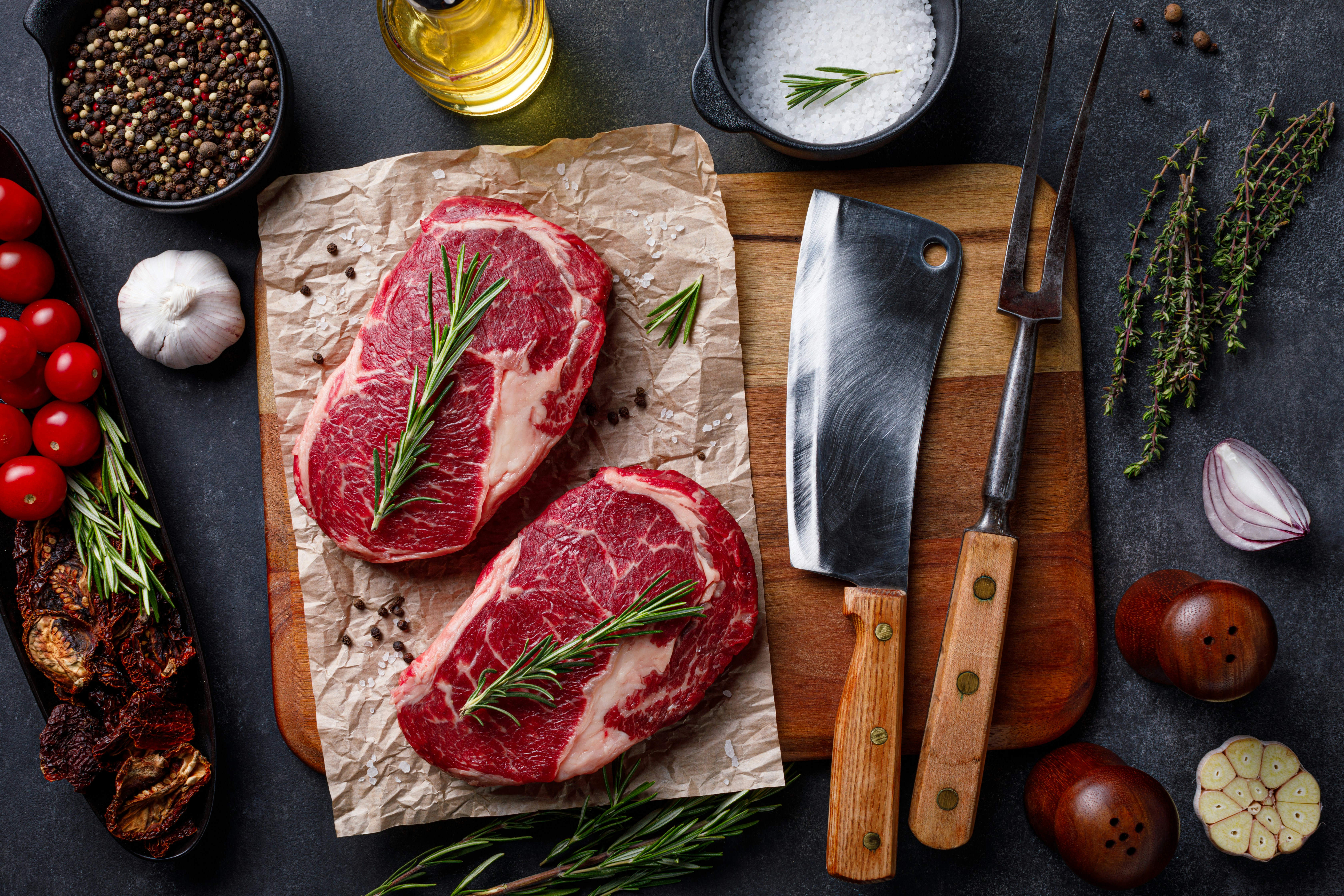
You’ve probably heard this before. Eat more red meat, and your iron levels will improve. That advice sticks because it often works.
Red meat provides heme iron, and the body absorbs it well. Many people see better energy and improved blood markers after adding more meat. But then you try it yourself and increase your intake.
Maybe your numbers improve a little, or they don’t move much at all. That gap is important. Anemia may look simple, but it isn’t one condition. It can come from low iron levels, poor absorption, or underlying issues with red blood cells.
If you don’t know the cause, diet alone won’t give you clear results. This is where red meat’s role becomes more nuanced.
Red Meat’s Iron Advantage and Why Results Can Still Vary
Red meat gives you heme iron, which your body absorbs more efficiently than plant iron. That’s why it’s often the first recommendation when your iron is low. You may notice better hemoglobin levels within weeks.
Energy can improve, especially if you are deficient. But absorption isn’t guaranteed. Your body regulates iron through hepcidin. When this hormone rises, it limits how much iron enters your bloodstream.
Research helps explain this. A 2025 analysis in Nutrition Reviews studied 10 trials with 397 adults. Red meat intake increased hemoglobin by about 2.36 g/L. That change was consistent across most studies.
Ferritin told a different story. The average increase was only 1.87 μg/L and often lacked statistical significance. Many participants saw little change in stored iron. The timeline also mattered, as interventions lasting under 8 weeks showed minimal impact.
When intake continued beyond 8 weeks, ferritin levels improved more consistently. Some longer trials, beyond 16 weeks, showed larger gains. Weekly intake varied widely, from about 255 g to over 1800 g of cooked red meat.
Even with higher intake, results still depended on individual response. So while red meat helps, your body’s response still decides the result.
When More Iron Won’t Fix the Problem
Some types of anemia don’t come from low iron. They come from how your body builds or uses red blood cells. In these cases, food plays a limited role. You can support your health, but you won’t fix the core issue with diet alone.
This is where things start to shift. A 2025 review in Current Nutrition Reports explains that iron balance depends heavily on internal regulation. When iron levels rise, your body increases hepcidin, which blocks absorption and release from stores.
During inflammation, this response stays active and limits iron use, even when intake is sufficient. That explains the gap and why some people see no improvement despite eating more iron-rich foods.
At that stage, treatment often shifts to targeted therapies that act directly on red blood cell function. Some of these treatments have raised safety and effectiveness concerns. One recent example is the Oxbryta lawsuit.
TorHoerman Law notes that the case involves a drug designed to improve hemoglobin function in people with sickle cell disease. Reports link the drug to side effects such as vaso-occlusive crises, organ damage, and allergic reactions.
The case highlights how complex and potentially risky treatment can become when diet is no longer enough. If your progress stalls, the issue is often deeper than intake.
What Happens When You Keep Pushing Iron Intake Higher
It’s easy to assume that more iron will keep helping. Your body doesn’t work that way. Iron is stored when intake exceeds what your body uses.
Over time, this buildup can create stress inside your cells. Here’s where it gets clear. A 2024 study in the Nutrients journal found that people with the highest meat intake had ferritin levels around 275.6 ng/mL. In comparison, lower intake groups had only around 119.6 ng/mL.
Around 40% had elevated ferritin. Higher levels are also linked with LDL cholesterol at 3.75 mmol/L versus 3.22 mmol/L. Total cholesterol and risk scores were higher as well. That is the trade-off.
You also need to look beyond red meat alone. Health.com reports that some foods contain similar or higher iron levels than red meat. These foods include chicken liver, oysters, lentils, tofu, spinach, dark chocolate, and stewed tomatoes.
However, absorption still varies widely between people. So total intake doesn’t give you the full picture. Two people can eat the same diet and end up with very different iron levels.
That’s why balance matters more than quantity. So increasing intake alone is not enough.
What Actually Works Once You Know the Cause
You need to know what type of anemia you’re dealing with before changing your diet. If you have iron-deficiency anemia, red meat can help. It gives you a direct and absorbable source of iron.
Many people see steady improvement with consistent intake. You may notice better energy and fewer symptoms over time. But not every case responds this way. If your anemia has another cause, you need a different plan.
Blood tests help guide your next step. Look at ferritin, hemoglobin, and inflammation markers. Your body controls how much iron it absorbs and stores, which can vary based on your health.
In some cases, your body blocks iron use even when intake is high. This is why guessing rarely works. When you rely on clear data, your decisions improve. You adjust your diet based on what your body needs, not assumptions.
Red meat still plays a role, but it is not the only factor. The right approach depends on the cause. Once you identify that, progress becomes more consistent.
People Also Ask
Can eating too much red meat cause high iron levels?
Yes, it can. If you regularly eat large amounts of red meat, your iron stores may rise over time. Your body does not actively remove excess iron. This can lead to elevated ferritin levels, which may affect metabolism and increase long-term health risks if not monitored.
How do you know if your anemia is not caused by iron deficiency?
You need blood tests to confirm the cause. Low ferritin usually points to iron deficiency. Normal or high ferritin with low hemoglobin may suggest another issue. Your doctor may also check inflammation markers or vitamin levels to identify the exact reason behind your symptoms.
What is the fastest way to improve iron levels naturally?
Focus on foods rich in heme iron, such as red meat and organ meats. To maximize uptake, consume them with Vitamin C-rich foods, and avoid tea or coffee during meals, as these beverages can inhibit iron absorption. Consistency matters more than short-term changes for lasting improvement.
Red meat can improve iron levels, especially if you are deficient. It works well for many people, and the results can show up quickly.
But the outcome depends on the cause of your anemia. If you rely only on increasing intake, you may miss what is actually holding you back. Some conditions affect how your body absorbs or uses iron, which diet alone cannot fix.
That is why a more targeted approach matters. When you combine the right diet with proper testing and guidance, your progress becomes more consistent and easier to track over time.
You may also like
 Meat Guide · 7 min
Is Pork Healthy? (8 Essential Vitamins & Potential Risks)
 Carnivore Guide · 6 min
What Happens To Your Energy Levels On A Carnivore Diet?
 Carnivore Guide · 19 min