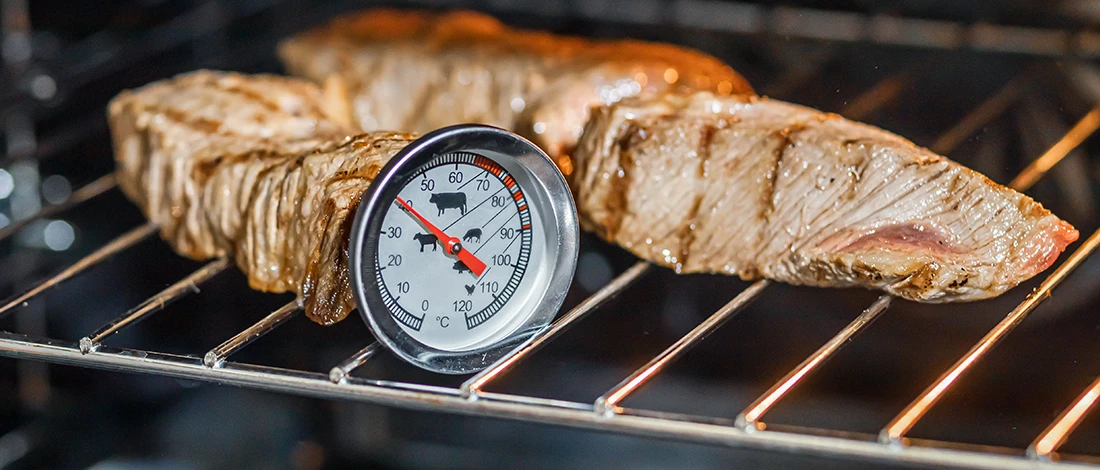
How Temperature Precision Elevates a Thick-Cut Ribeye at Home

A thick-cut ribeye has a way of humbling even confident home cooks. It looks simple. It is just steak, after all. Yet one minute it is underdone and chewy, the next it tips into gray and dry. That narrow window between rare and overcooked feels unforgiving.
The truth is that ribeye rewards attention. When you cook a steak that is at least one and a half inches thick, temperature matters more than instinct. Color can mislead you. So can touch. A wireless meat thermometer changes the experience from guesswork to intention. Instead of slicing to check or pressing the center with anxious fingers, you watch the numbers climb and decide exactly when it is ready.
Equipment Matters More Than You Think
Before we talk about seasoning or searing, it is worth pausing on tools. Thick steaks hold heat differently from thin ones. They brown quickly on the outside while the interior lags behind. That contrast is where many home cooks lose control.
For best results, use a reliable wireless meat thermometer to track the internal temperature without opening the grill or oven. When you do not have to lift the lid or open the door, you avoid sudden heat loss. The steak cooks steadily. The numbers update in real time. You can relax a little.
Alongside your thermometer, keep these essentials nearby:
-
A heavy skillet or grill with consistent heat
-
Tongs with a firm grip
-
A wire rack for resting
-
Kosher salt and freshly cracked black pepper
-
Neutral oil with a high smoke point
None of this is fancy. Yet the difference between guessing and measuring can feel dramatic.
Why Temperature Defines a Great Ribeye
Ribeye is prized for its marbling. Thin streaks of fat run through the muscle. When heated properly, that fat softens and coats each bite with richness. If the steak is undercooked, the fat remains chewy. If it is pushed too far, the fat renders out and leaves the meat dry.
Internal temperature tells you what is happening beneath the surface. Here is a simple guide for a thick-cut ribeye:
-
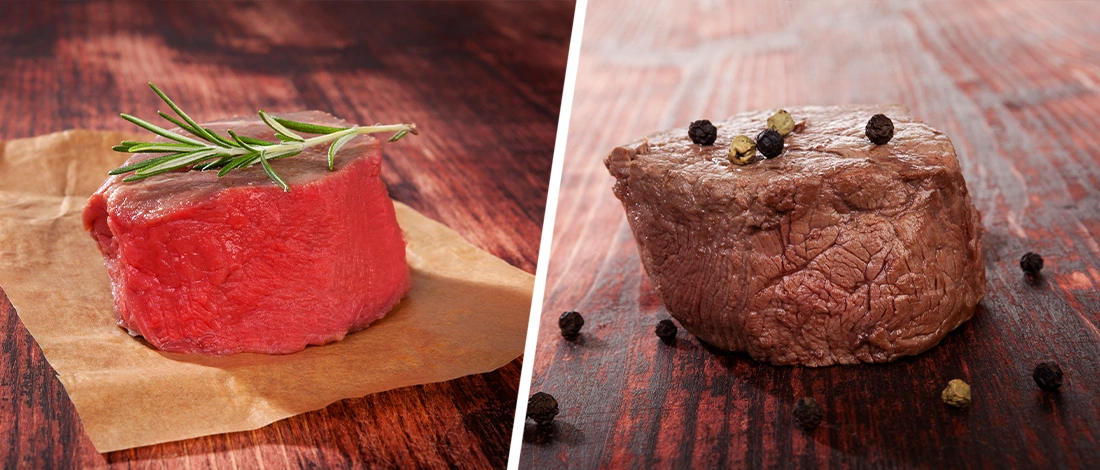
Rare, 120 to 125 degrees Fahrenheit
-
Medium rare, 130 to 135 degrees
-
Medium, 140 to 145 degrees
Many steak lovers aim for medium rare. At that range, the fat melts gently, and the center remains tender and pink. Of course, preference plays a role. Some enjoy a firmer texture. There is room for taste here. Still, the thermometer keeps you from drifting too far in either direction.
A wireless meat thermometer shines in this moment. Because the probe stays in the steak, you watch the temperature climb in steady increments. It is almost meditative. Instead of hovering over the stove, you monitor progress from a short distance and adjust the heat if needed.
Start with the Right Steak
Thickness matters. Look for a ribeye that is at least one and a half inches thick. Two inches is even better. A thicker steak gives you more control over the interior without burning the crust.
Bring the steak to room temperature for about thirty to forty minutes before cooking. Cold meat dropped into a hot pan often cooks unevenly. Season generously with salt. Let it sit. That salt draws moisture to the surface, then pulls it back in, seasoning the interior.
Pepper can go on just before cooking. Some cooks prefer to add it after searing to prevent bitterness. Opinions vary. The science is not absolute here, and that is part of the fun.
The Sear and Finish Method
A thick ribeye benefits from a two-stage approach. First, build a crust. Then gently bring the interior to your desired temperature.
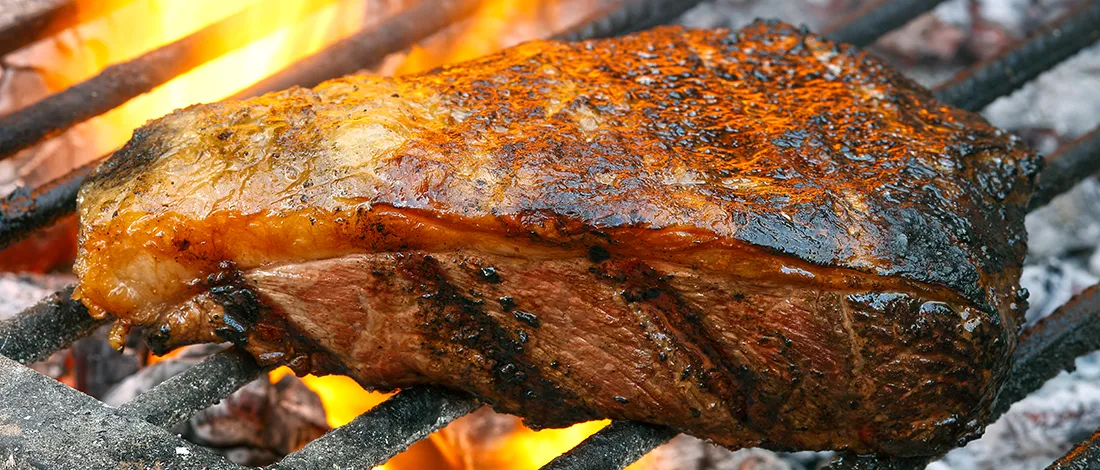
Heat a heavy skillet until it is very hot. Add a thin layer of oil. When the oil shimmers, place the steak down and resist the urge to move it. After about two to three minutes, flip it. The surface should be deeply browned, with a rich aroma that fills the kitchen.
Now comes the shift. Reduce the heat or transfer the skillet to a preheated oven set to around 375 degrees Fahrenheit. Insert your wireless meat thermometer probe into the thickest part of the steak, avoiding bone if present. Close the oven and let the numbers guide you.
As the internal temperature approaches your target, pay attention. The last few degrees can pass quickly. Remove the steak about five degrees before your goal. It will continue to rise while resting. This carryover cooking surprises many people the first time they notice it.
Resting Is Not Optional
It is tempting to cut into the steak right away. The crust looks inviting. The smell is almost unbearable.
Wait.
Resting for ten minutes allows juices to redistribute. If you slice too soon, those juices spill onto the cutting board instead of staying in the meat. A simple wire rack prevents the bottom from steaming and softening the crust.
Temperature plays a role here as well. During rest, the internal heat equalizes. The outer layers cool slightly while the center finishes gently. A wireless meat thermometer lets you observe this rise. It is a small lesson in how heat travels through protein.
Common Mistakes That Ruin Thick Steaks
Even confident home cooks slip into habits that sabotage a good ribeye. Here are a few to watch for:
-
Cooking straight from the refrigerator
-
Flipping too often without allowing a crust to form
-
Cutting to check doneness instead of measuring temperature
-
Skipping the rest period
-
Using high heat the entire time
Notice that most of these mistakes revolve around impatience. Steak rewards calm attention. It is not complicated, yet it does demand timing.
Grilling Outdoors with Temperature Control
Grilling adds another layer of complexity. Wind, charcoal distribution, and grill design all influence heat. You might have a hot spot on one side and a cooler zone on the other.
Set up a two-zone fire. Sear the steak over direct heat first. Then move it to the cooler side to finish. Insert your wireless meat thermometer probe before closing the lid. Because you can monitor temperature remotely, you avoid lifting the lid repeatedly, which would drop the heat and extend cooking time.
Some cooks swear by the reverse sear method for thick cuts. In this approach, you cook the steak gently over indirect heat first, then finish with a hot sear at the end. It produces an even interior with a crisp crust. Again, temperature readings guide each stage. Guesswork fades into the background.
The Science Behind It
Heat causes muscle fibers to contract and proteins to denature, which means they change structure. Around 120 degrees Fahrenheit, the meat is still quite tender. As you move toward 140 degrees and above, fibers tighten and moisture loss increases.
Fat behaves differently. It softens gradually and contributes to mouthfeel. That balance between protein tightening and fat rendering defines a satisfying ribeye. A difference of five degrees can shift texture noticeably.
People often trust visual cues like color. Yet color can vary depending on lighting, the age of the meat, and even the animal’s diet. Temperature offers clarity. It is objective. It does not rely on guesswork.
Adding Flavor Without Overcomplicating Things
Ribeye is rich on its own. Still, small additions can complement it.
Consider finishing with:
-
A pat of butter infused with garlic and thyme
-
A sprinkle of flaky salt
-
A squeeze of lemon for brightness
None of these elements should overpower the meat. They are accents, not the main event. When temperature is dialed in, you do not need much else.
Confidence Through Measurement
There is something reassuring about watching numbers instead of staring at the clock. A wireless meat thermometer removes the anxiety of cutting into a steak too soon. It also prevents overcooking while you chat with guests or prepare side dishes.
Over time, you may rely on it less. You will learn how long your grill holds heat and how your oven behaves. Still, even experienced cooks often keep a thermometer nearby. It is not a crutch. It is a tool that supports consistent results.
Cooking at home should feel satisfying, not stressful. Thick cut ribeye can seem intimidating at first glance. Yet when you understand how temperature shapes texture and flavor, the process becomes more predictable. The crust browns, the fat softens, and the center reaches that perfect shade of pink right when you intend it to.
In the end, it is about control. Not rigid control, but informed decision making. You are no longer guessing. You are responding to data. And that small shift changes everything about how a steak turns out on your plate.