Why Every Home Cook Needs a Dedicated Boning Knife

Anyone who spends real time in the kitchen eventually notices that certain tasks feel awkward with a standard chef’s knife. There is a moment when a cook tries to separate a thigh from a whole chicken or trim a slab of beef and realizes the blade fights the natural lines of the meat. That moment is usually when people begin to appreciate boning knives. A specialized tool often makes the kind of quiet difference that becomes obvious only after you try it.
A surprising number of home cooks have never used one, even though a small shift in equipment can change the way you prepare protein. Once you look closely, the shape alone tells a story about intention. A slim blade with a gentle curve wants to move through tight spaces. It feels almost like the knife is willing to do half the work if you allow it to.
What Makes Boning Knives So Useful
Think about all the foods that hide little pockets, cartilage, or seams. Poultry has plenty of them. So do pork and beef. A large all-purpose knife simply cannot wiggle through narrow joints with the same grace as a blade designed for that purpose. The narrower profile of a boning knife solves that problem. It can slip between connective tissue and muscle with ease. It also asks for less force, which leads to cleaner results.
Many beginners think their chef’s knife should do everything. That belief makes sense in the early days because the chef’s knife feels powerful, familiar, and reliable. Over time, cooks realize that control matters as much as strength. A boning knife provides exactly that. It gives you better leverage near bones, better access to curves, and better reach in situations where a bulkier blade feels clumsy.
How a Dedicated Boning Knife Improves Technique
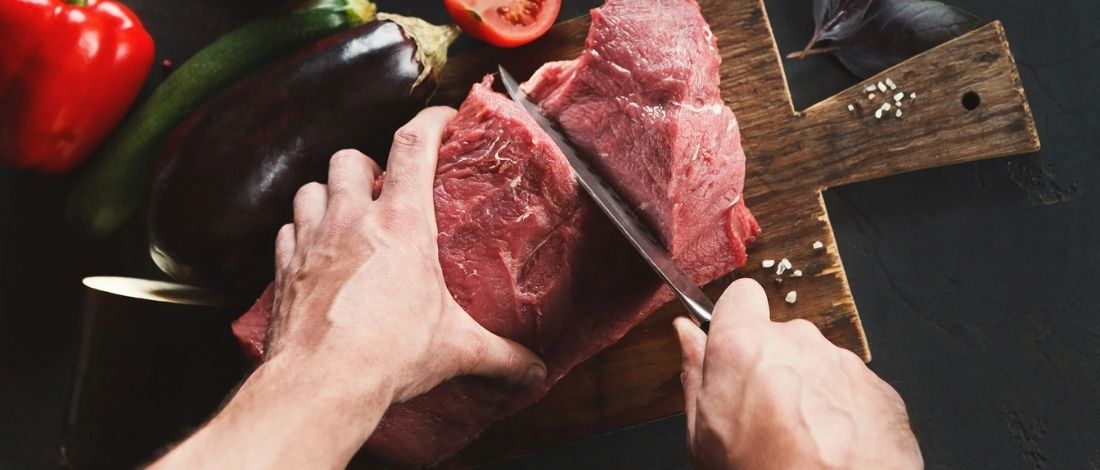
Trimming meat can be a small puzzle. Each section has its own lines. When you follow the natural shape, you waste less and produce cleaner cuts. A boning knife encourages you to follow those pathways because the blade moves where your hand guides it. You feel the bone as you trace along it. That feedback teaches you more about structure than you might expect.
One of the first things people notice is how much less meat they lose. Large knives tend to shave off extra bits because they do not bend around curves. A boning knife keeps the edible parts intact. The result feels satisfying. Cleaner pieces. Better shapes. A sense that you did something with intention rather than brute force.
Even safety improves. The smaller blade invites closer control. You use less pressure. There is less chance of slipping off cartilage or fat. A tool that fits the task comfortably reduces risk.
Common Tasks Where Boning Knives Shine
You begin to recognize these moments once you own one. Tasks that seemed awkward suddenly feel almost pleasant. Some examples include:
• Removing skin from poultry
• Separating ribs from beef or pork
• French trimming lamb racks
• Cutting away silver skin from tenderloins
• Breaking down whole fish
• Cleaning up cuts that need delicate trimming
All of these tasks benefit from a blade that is nimble, narrow, and ready to follow tight paths.
Flexibility Versus Stiffness
Boning knives come in flexible and stiff styles. Both have their uses. A flexible knife works well for fish and delicate proteins because it glides with the curve of the bone. A stiff knife gives you more control when working with thicker cuts. Many cooks eventually own one of each. They choose based on the protein in front of them.
A flexible blade feels almost like an extension of your fingers. It bends softly as it moves, which means it can hug shapes closely. A stiff blade behaves more like a traditional knife but still offers the slim shape needed for finesse. Each variation teaches you something different about texture and control.
Why Home Cooks Benefit From a Dedicated Tool
Many households break down whole chickens because it is cheaper and tastes better when you work with fresh pieces. Others prefer buying large cuts of meat and trimming them at home for cost savings. People who cook regularly eventually find tasks like these happening more often. The boning knife becomes more than a fancy extra. It becomes a natural part of the process.
Professional kitchens rely on them daily. You can watch a line cook work and see how quickly the blade moves. The same technique translates perfectly to a home environment. Once you get used to that precision, returning to a bulky knife for these tasks feels a bit like writing with a pen that has run out of ink.
The Difference in Texture and Presentation
A good trim affects more than the look of the final dish. It influences texture, too. Fat that should be removed often stays behind when using a large blade because you simply cannot reach it cleanly. A boning knife lets you remove unwanted bits without hacking at the meat.
Presentation matters in quiet ways that people appreciate, even if they do not comment. Cleaner cuts cook more evenly. They sit neatly in pans or on roasting trays. They look intentional on a plate. That subtle upgrade brings more pleasure to both cooking and eating.
Caring for Boning Knives
This tool rewards simple care. Keep it sharp. Clean it gently. Store it properly. The blade is thin, so tossing it into a drawer is not wise. A protective sheath or magnetic rack keeps it safe.
Sharpening routines differ from person to person. Some prefer a whetstone. Others use a rod. The key is to avoid letting the edge dull completely. A sharp blade grips rather than slips. That quality matters when working near joints and bones.
Choosing the Right Style for Your Kitchen
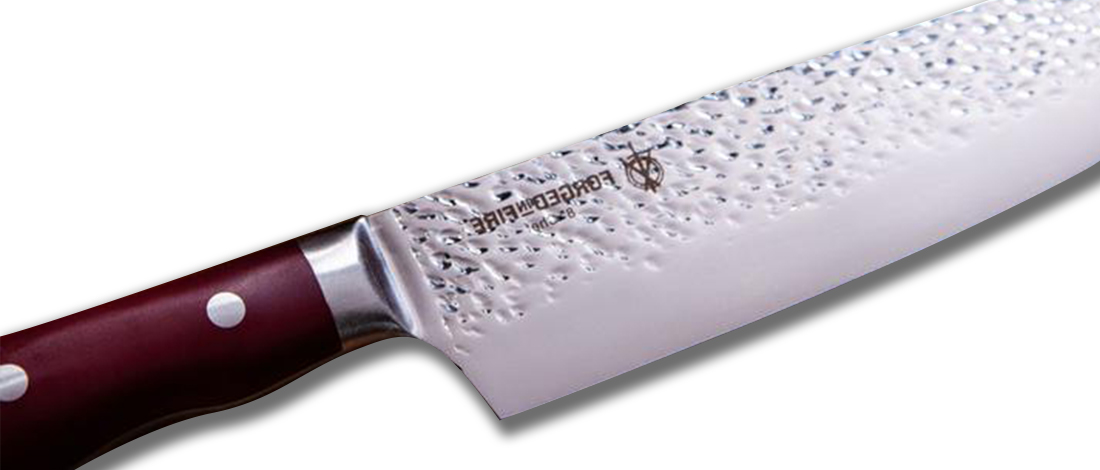
Beginners often wonder what to look for. A solid handle with a comfortable grip helps. The weight should feel natural in your hand. The blade should have enough curve to follow shapes without feeling exaggerated.
Length varies by brand. Many cooks like a blade around six inches long. Shorter blades feel nimble. Longer blades offer more reach. There is no single perfect choice. The right one depends on what you cook most often.
Small Moments Where It Shows Its Worth
Picture yourself trimming a tenderloin for a gathering. The silver skin comes off in smooth ribbons. Or working on a rack of ribs where the blade follows each bone without fuss. These moments add quiet joy to cooking. They make the preparation as satisfying as the meal itself. When a tool behaves exactly as you hope, you feel more connected to the process.
Even everyday meals benefit. Cutting up chicken for a quick stir-fry becomes faster. Removing fat from pork shoulder for a slow cook feels cleaner. The little victories add up until you begin to wonder why you waited so long to get one.
Final Thoughts
Every kitchen has room for one tool that raises the level of comfort and control. A dedicated boning knife fills that role for cooks who handle meat regularly. It gives you more accuracy. It reduces waste. It turns tricky tasks into familiar routines. The difference is subtle at first, then impossible to ignore.
A home cook may start with curiosity. After a handful of uses, this knife becomes part of the rhythm of everyday preparation. A small addition to your kitchen that brings more satisfaction to both the craft and the meal.