
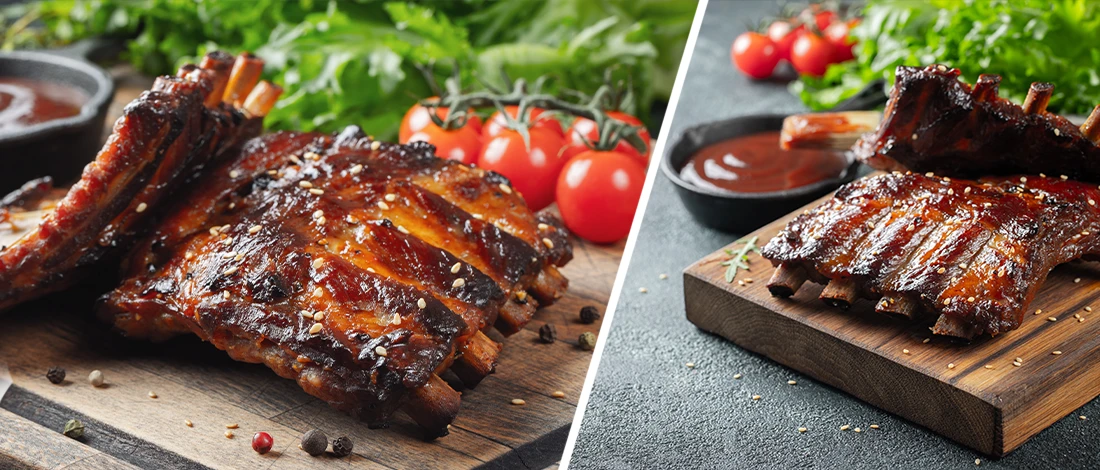
 Meat Guide
 How Long to Let Ribs Rest (Thorough Guide)

When it comes to achieving perfectly tender and flavorful ribs, allowing them to rest is a crucial step in the cooking process.
The art of barbecue isn't just about grilling; it's about understanding the science behind it.
As a seasoned grillmaster with years of culinary experience, I dug deep into the research on rib resting times. I talked with fellow barbecue enthusiasts and compared how different rest times affect rib quality.
In this comprehensive guide, we'll learn the resting time of ribs to ensure they're at the peak of perfection.
Quick Summary
- You should rest smoked ribs typically for 15-30 minutes.
- Pork ribs rest for 10-15 minutes, while beef ribs require a longer rest of about 30 minutes.
- Resting allows meat juices to redistribute, enhancing juiciness and flavor, and should involve aluminum foil wrapping.
How Long Must Ribs Rest After Smoking
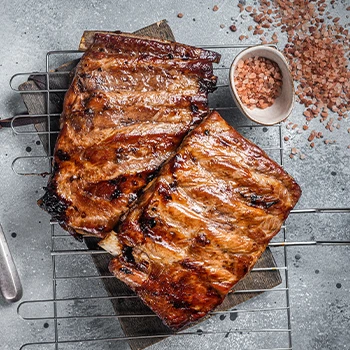
After smoking, ribs should rest for approximately 15 to 30 minutes to allow the meat to reabsorb and redistribute its juices. This resting period is essential for tenderness and flavor. When you watch any chef cooking a cut of meat, there is invariably a rest before slicing and serving. Resting locks in smoky flavor and ensures the ribs remain juicy. For best results, tent the ribs loosely with foil during the rest, which keeps them warm without trapping excess steam and making the bark soggy. This short wait makes a noticeable difference in every bite.
Also Read: How Long a Turkey Needs to Rest
How Long Should You Rest Pork Ribs After Smoking
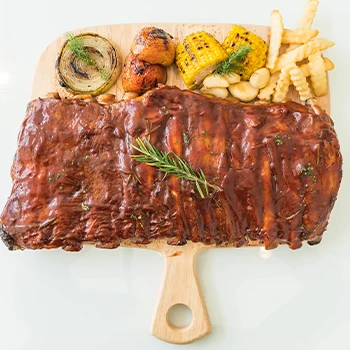
You should rest pork ribs in between 10 and 15 minutes after smoking.
Since each rack of ribs is different, rest your perfectly smoked ribs with thick meat for a longer period than when you rest ribs with thinner meat.
If you have a mixed amount of thick and thin meat ribs, rest the ribs with the thinner meat for 10 minutes and slice them up.
Once you have finished slicing the thinner ribs, the thicker ones will be rested enough to be sliced as well.
Rest smoked ribs for a shorter period than beef ribs because the meat on pork ribs is often thinner than beef ribs.
How To Rest Pork Ribs
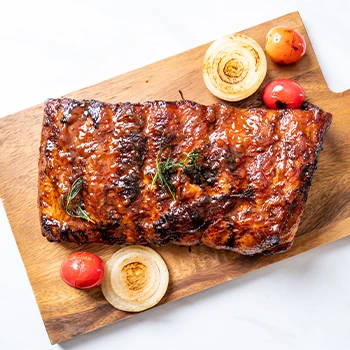
Resting your pork ribs requires some know-how to do it correctly.
Here is what you should do:
- After smoking pork ribs to perfection, take them off the grill or out of the oven.
- Carefully wrap the ribs in aluminum foil to keep them warm and prevent moisture loss.
- Let the meat rest for at least 10-15 minutes.
Alternatively, you can use the “tenting with foil,” method, which do not require foil wrapping. Simply place the hot ribs on a wood cutting board and lightly cover them with aluminum foil.
Use enough foil that you can tuck it under the edge of the ribs all around and leave a peak, like a tent, above the meat.
This provides some airspace above the meat, which heats up from the ribs and helps insulate the ribs, acting as a mini-oven.
How Long Should You Rest Beef Ribs After Smoking
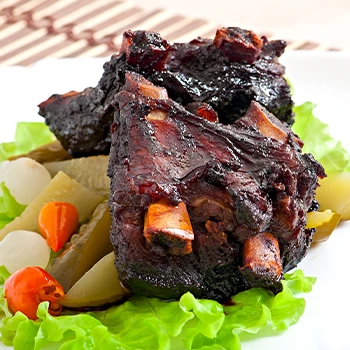
You should rest beef ribs for 30 minutes after cooking.
Beef ribs are typically longer and have thicker meat than pork ribs and pork butt.
This additional thickness of the meat requires a longer rest time for ribs to allow the internal juices to be re-absorbed by the meat fibers and distributed evenly throughout the meat.
How To Rest Beef Ribs
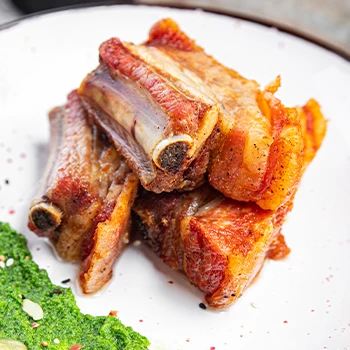
To rest your beef ribs properly after smoking ribs, here is what you need to do:
- Remove the ribs from the smoker or grill and immediately wrap them completely in aluminum foil.
- Place the aluminum foil-wrapped ribs in the cooler and close the lid.
- Let the beef ribs rest for the allotted 30 minutes in this environment.
- After the 30 minutes have elapsed, take the ribs out of the cooler, unwrap them, and slice.
Why Resting Smoked Ribs Is Important
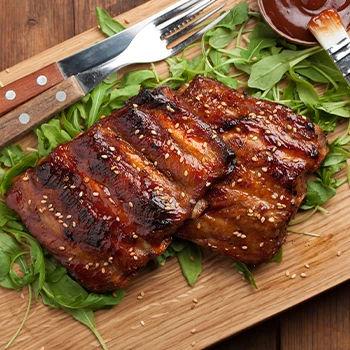
Resting smoked ribs is important because it allows the meat to reabsorb its juices, resulting in a tender and flavorful outcome.
The science behind it is simple: when meat is subjected to heat during the cooking process, the moisture and juices in the meat fibers move out of the fibers into the spaces between them.
If the meat is cut immediately after being removed from the smoker, all these juices between the meat fibers escape and run out of the meat [1].
When the meat is allowed to rest, it allows the meat fibers to re-adsorb these juices, distributing them evenly throughout the meat. This increases the juiciness and flavor of the meat.
Resting the ribs also allows them to continue cooking internally after removing them from the heat.
Thus, it is important to take the meat off the heat slightly before it is completely done, and it will reach optimal temperature while resting.
FAQs
Can I Let Ribs Rest for Longer than 20 Minutes?
You can let ribs rest for longer than 20 minutes if needed. However, be cautious not to serve cold meat. To maintain optimal eating temperature, wrap the rested ribs in foil and place them in an insulated cooler to keep them warm for up to 2 hours.
Should I Rest Ribs on or off the Grill or Smoker?
You should rest ribs off the grill or smoker. Placing them on a cutting board or platter, loosely covered with foil, allows them to rest without being exposed to direct heat, ensuring they stay moist and flavorful.
Can I Skip the Resting Step for Ribs?
You should not skip the resting step for ribs. Failing to let them rest may result in the juices spilling out when you cut into them, leaving you with drier ribs. Patience during this step pays off in terms of flavor and tenderness.
Can I Season or Sauce Ribs While They Are Resting?
You season or sauce ribs while they are resting if you desire. This can enhance the flavor, but it's essential to do so with caution, as over-saucing or seasoning can overpower the natural taste of the meat.
Should I Tent the Ribs With Foil While They Rest?
You can tent the ribs with foil while they rest to help keep them warm. However, make sure to tent loosely to avoid trapping steam, which can affect the texture of the crust or bark you've developed during cooking.
References:
- https://www.seriouseats.com/how-to-have-juicy-meats-steaks-the-food-lab-the-importance-of-resting-grilling
You may also like
 Meat Guide · 7 min
Is Pork Healthy? (8 Essential Vitamins & Potential Risks)
 Carnivore Guide · 6 min
What Happens To Your Energy Levels On A Carnivore Diet?
 Carnivore Guide · 19 min