
 Expert Review
 Best Wood for Smoking Brisket (8 Different Types)

The Masterclass staff recommends that it is vital to understand how the smoke flavor from your wood contributes to the overall flavor of your meat when trying to achieve the perfect barbeque. As nutrition experts and devoted carnivore practitioners, we've relied on firsthand smoking experience to guide our wood choices.
When deciding on the type of
Quick Summary
- The best woods for smoking brisket are oak, hickory, and mesquite due to their long burn time and flavor profiles.
- Blending strong-flavored woods with milder ones like apple, cherry, or maple can balance the taste and prevent overpowering the meat.
- The size of the wood matters; chunks and split logs are preferred over chips as they burn longer, suitable for smoking large briskets.
Choosing the best wood for your dish is hugely dependent on the type of meat you are cooking, its properties, the size of the meat, and the flavor you are trying to achieve. You can use wood chips to achieve a fruity flavor or nutty flavor for your smoke flavor.
No wood is better than another as they all have pros and cons. Knowing when to use a sweeter or more intense flavor of wood is vital how to create that perfect smokiness.
What Wood Is Best For Smoking Brisket?
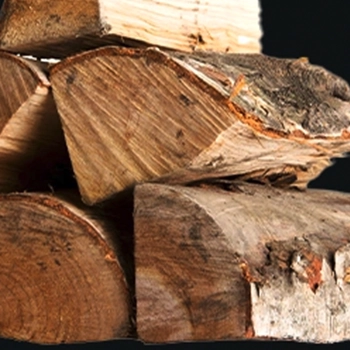
Before choosing a wood, it helps to understand how brisket cooks and how different woods interact with its fat and texture. Brisket is a large, tough cut covered by a thick fat cap; low-and-slow smoking renders that fat and tenderizes the meat. The best woods for brisket are dense hardwoods that burn steadily and produce a clean, complementary smoke—oak, hickory, pecan, and fruitwoods like apple or cherry are top choices. Softer, resinous woods such as pine or redwood burn too fast (due to their high sap content) and can impart bitter, unpleasant flavors, so they should never be used for smoking. For a balanced, crowd-pleasing result, start with a base of oak (which burns clean and evenly) and layer in a stronger wood like hickory for depth, or a mild fruitwood for sweetness. Each wood offers a different smoke profile, so experimenting with blends allows you to tailor the flavor to your preference while ensuring the brisket's natural beefiness shines through.
To help tenderize the meat, you have to cook it for an extended period and at a low temperature when smoking brisket.
Due to this, you will need to choose a wood that burns for an extended period. With this thick fat and tough meat, it is also best to use medium-flavor meat to help penetrate and flavor it.
Along with choosing the right type of wood, the right type of smoker to use should also be right.
What Types Of Wood Are Best To Smoke Brisket?
As discussed above, when choosing your wood, look for one that burns for a long time, such as your hardwoods, and one that has the lovely flavor you want.
Let us look at a few different types you can choose from for smoking brisket meat.
1. Oak Wood
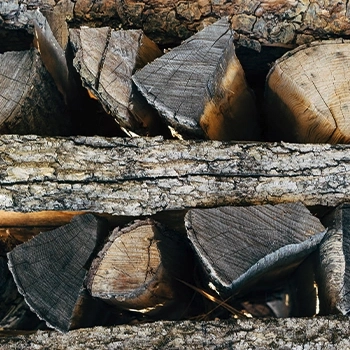
Oakwood is a popular wood explicitly used in Central Texan BBQs; this is typically your white oak known as Post oak.
Aaron Franklin from Masterclass always uses this type of oak wood when making brisket.
The reason for this is because of its affordability, availability, as well as exquisite flavors it gives brisket [1].
Oakwood burns for an extended period making it perfect for this type of meat. It is excellent to smoke meat with; its medium flavor gives it a sweet, vanilla taste.
This wood is great as the primary wood flavoring the meat compared to a secondary flavor.
2. Hickory Wood
Hickory is also a popular wood for smoking brisket; it burns for a long time and has a much stronger flavor than oak wood.
This wood gives red meat a nutty bacon-like flavoring, don’t use too much of this wood as it can overpower the meat, which you don’t want. It would be best to blend it with milder wood such as apple or cherry wood chips to prevent it from overpowering your meat.
3. Mesquite Wood
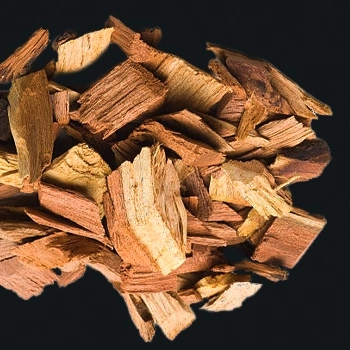
This wood is typically used to produce that authentic Texan-flavored brisket. This flavor is more robust than oak and hickory; its flavor is earthier.
Since it is so strong, it is highly recommended to blend it with a mild-flavored wood, such as applewood, so that the brisket is not overpowered.
The downfall to this wood is that it burns pretty quickly, so you will need to add more to the fire as you cook, or you can also blend it with other woods to help maintain the smokiness.
4. Cherry Wood
This wood flavor is more subtle; it gives your meat a fruitier sweet flavor. This wood blends well with hickory.
5. Olive Wood
Olive wood gives off a mild smoky flavor similar to the earthy flavor you get from mesquite. If you want to keep that earthy flavor and use mesquite, then this wood is good to blend it with.
6. Apple Wood
Applewood gives your red meat a delicious sweet fruity flavor; this is commonly blended with hickory or mesquite to help soften the taste. This wood forms a dense smoke which is excellent when penetrating the thick brisket fat and tough meat.
7. Maple Wood
This type of wood brings a more fun festive season flavor to your brisket; it gives it a mild smoky-sweet flavor.
This wood also goes well with other meats if you plan to cook other meats with your brisket on the barbeque.
8. Pecan Wood
Pecan wood is not commonly used as it is not for everyone; if you feel adventurous, you can try it. It gives your meat a very sweet, nutty taste; it is best to blend it with another wood to help reduce its sweetness; try pairing it with oak.
What Size Wood To Use When Smoking Brisket?
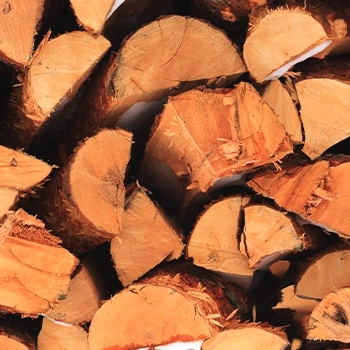
Choosing the suitable flavor wood for your brisket and the correct size is essential.
The wood for your brisket needs to burn for a long time, which is why wood chips wouldn’t be a great option as they burn very quickly, which won’t work.
Chunks of wood and split logs are both excellent for smoking your brisket.
Chunks burn for a long time; they are great for large briskets and are usually used in small to medium-sized offset smokers.
Split logs of wood are excellent for large offset smokers and larger briskets.
Related: Why is Brisket Expensive?
References:
- https://www.masterclass.com/articles/how-to-select-smoking-woods
You may also like
 Expert Review · 16 min
10 Best Charcoal Types For Smoking Meat (2026 Update)
 Expert Review · 8 min
Best Wood for Smoking Meat (13 Types)
 Meat Guide · 10 min