
 Meat Guide
How to Cook Crab Meat? (4 Steps to Prepare It Like a Pro)

As a seafood lover, I'm greatly fond of crab meat because it makes for an unbelievably tasty starter or entrée.
Crab meat chunks, fresh herbs, and citrus juice are the perfect combo topping for my fresh veggie salad, toast pieces, and pastry shells.
As a carnivore diet practitioner with hands-on experience preparing and cooking quality seafood, I've spent countless hours perfecting crab recipes and consulting with fellow seafood experts to compile a comprehensive guide on how to cook crab meat.
In this article, I'll share the best way to cook and prepare crab meat and my tips for buying fresh, high-quality crab meat.
Quick Summary
- To cook crab meat, the whole crab is boiled, then the meat is extracted from the shell, claws, and body for use in various dishes like crab cakes and salads.
- Different parts of the crab, including jumbo lump, lump crab, backfin crab, and claw crab, offer unique flavors and textures.
- When buying, it's important to check for signs of life in live crabs, read the "best by" date on canned crab, choose large legs and claws, and avoid crabs with an ammonia smell.
4 Steps to Cook Crab Meat
Follow these four steps to cook crab meat properly:
- Turn the whole crab over and lift the little pointy flap to reveal a tiny opening. Insert a solid knife or screwdriver through the hole with some pressure until it touches the other end of the shell. This humanely destroys the nervous system before cooking. Turn the crab over and drain the fluid that has accumulated.
- Boil a large pot of salted water (30g of salt per liter).
- Cook the crab in boiling water for 8 to 12 minutes for a 1kg crab.
- Take the whole crab out of the water and set it aside to cool completely before extracting the meat. Allow it to cool at room temperature or refrigerate it. Do not immerse the crab in freezing water since it will become waterlogged and affect the meat quality.
What Is Crab Meat?

Crab meat, often known as crab marrow, is found within a crab. It is highly regarded for its soft, delicate, and sweet flavor and is used in various cuisines worldwide.
Crab meat can be either white or brown. The white flesh is paler and more delicate than the brown meat, which has a more robust flavor.
Here are the four types of crab meat you probably didn't know about:
- Jumbo lump crab meat: This crab flesh originates from a very specialized portion of the crab– the muscle for the swimmer fins. The jumbo lump has a firm texture and a sweeter taste. However, I recommend it as a salad and pasta garnish because it is readily overwhelmed by the spices in different crab recipes.
- Lump crab: This flesh is obtained from the crab's body. It has smaller crab bits than the jumbo lump but still offers a substantial serving.
- Backfin crab: This meat is a mixture of fractured lump crab flesh and tiny chunks of body meat from the crab's body. Backfin is frequently flaky and fine, making it ideal for a crab cake.
- Claw crab: This flesh is made from the crab's claws. It is darker and less sweet. Because it has a stronger overall flavor, I love using it for my soups when I want the crab flavor to bold out.
Also Read: What Is Imitation Crab Meat?
The Best Way to Prepare Crab Meat

After your crab has cooled completely, follow these steps to prepare the meat so you can enjoy it with your favorite recipe.
- If you refrigerate it, use a steam basket to thaw frozen crab legs and shells.
- Set the crab on its back and twist off the claws and legs.
- Push down on the crab with the palm of your hand. Pull your fingers upwards through the opening where the body meets the shell.
- Disconnect the crab body from the shell by pulling hard - it will come out in one chunk.
- Carefully remove and discard the feathery gills surrounding the main body and within the shell.
- Scoop the brown flesh from the shell with a spoon and place it in a bowl. Cut the main body in half using a big chef's knife.
- Using a skewer, remove the white flesh from the cavities in the body and place it in the bowl.
- Break the claws and legs open with a quick tap with a kitchen mallet.
- Remove the meat with care using a lobster pick, then inspect the bowl for any stray shell and remove it. You can use your crab meat to make delicious crab cakes, salads, or potted crabs. If you’re not planning to eat the meat immediately, cover it with aluminum foil and store it for up to two days.
I always eat my crab meat with ranch dressing, lemon juice, and bread and butter. Dressed crab is a great recipe, and it’s also delicious in salads and sandwiches.
White meat crab is fluffy, sweet, and delicious, and I love how it pairs well with a variety of fresh spring/summertime flavorful veggie recipes like tomato, cucumber, and mackerel.
Related Articles:
Things to Look For When Buying Crab

Buying the right crab can be confusing if you're trying seafood for the first time. Luckily, here's a detailed buyer's guide to help you out.
1. Liveness Test
I recommend purchasing crab that is either alive or cooked. When purchasing live crabs, touch them to see if they move or react in any way. If it doesn't move, avoid it altogether.
"Never buy dead uncooked crab because enzymes within the body quickly render the meat very mushy."
- Richard Stavis, Owner of Stavis Seafoods
2. Pasteurized Crab Meat
Pasteurized or canned crab meat has been boiled and chilled in a controlled environment to kill hazardous microorganisms and stored in a vacuum-sealed bag [1].
When purchasing canned crab meat, ensure you read the "best by" date and buy one that is not expired.
Also Read: Vacuum-Sealed Meat Shelf Life
3. Size
Select the biggest store-bought frozen crab legs and claws from the display. In my experience, the more giant the crab legs look, the meatier it is, and vice versa.
4. Smell
If you can, smell the crabs before buying. If they smell like ammonia, it indicates signs of rancidity, so don't buy them. Fresh crabs don't have any strong odor.
Delectable Crab Meat Dishes
With its delicate flavor and succulent texture, crab meat offers a versatile canvas for culinary creativity.
From Maryland crab cakes to Dungeness crab salad, there is a plethora of ways you can elevate fresh crab meat into a delectable dish.
To enjoy successful and delicious crab meat recipes, you need to start with fresh, high-quality crab meat. For the past two years, I’ve ordered mine from authentic companies like ButcherBox.
Here are 6 dishes of crab meat you can serve:
Maryland Crab Cakes
Maryland crab cakes are perhaps the most iconic and beloved crab meat dish in the United States.
These golden brown delights showcase the sweet and briny flavors of fresh lump crabmeat, often mixed with a blend of breadcrumbs, mayonnaise, Dijon mustard, and a dash of Old Bay seasoning.
To make crab cakes, one must carefully combine these ingredients, form them into patties, and pan-fry until they reach a perfect golden brown hue.
Serve them hot with a side of lemon wedges and a touch of hot sauce for a classic Chesapeake Bay experience.
King Crab Legs
If you're looking for a luxurious crab dish, king crab legs are a splendid choice.
These massive crab legs are renowned for their tender, sweet meat. Steam or boil king crab legs and serve them with melted butter for dipping.
The succulent, flaky meat pairs wonderfully with the rich, buttery sauce. King crab legs are a delightful treat for special occasions or when you want to impress guests with a seafood extravaganza.
Dungeness crab Salad
Dungeness crab, a West Coast favorite, shines in this refreshing salad.
Begin by gently cracking the Dungeness crab to extract the succulent meat. Then, toss it with crisp greens, sliced green onions, and a zesty vinaigrette dressing.
The result is a light and satisfying salad that celebrates the fresh flavors of the Pacific. Dungeness crab salad is perfect for warm summer days or as an appetizer to kick off a seafood feast.
Leftover Crab Cakes Remix
If you ever find yourself with leftover crab cakes, fear not; there are creative ways to breathe new life into them.
One idea is to crumble the leftover crab cakes and use them as a topping for a seafood pasta dish.
Simply sauté the crumbled crab cakes with garlic and olive oil, toss in cooked pasta, and finish with a squeeze of lemon and freshly chopped parsley.
This clever reinvention turns yesterday's crab cakes into a brand-new culinary delight.
Salmon Cakes with a Crab Twist
Combining the flavors of salmon and crab, these seafood cakes offer a unique twist on the traditional crab cake.
Start by mixing flaked salmon with fresh crab meat, breadcrumbs, finely chopped green onions, and a hint of Old Bay seasoning.
Form the mixture into patties and pan-fry until they develop a beautiful golden crust.
These salmon and crab cakes provide a harmonious blend of flavors and textures, making them a delightful choice for seafood lovers.
Crab Boil Extravaganza
A crab boil is a fantastic option for those who crave a communal dining experience.
Gather friends and family around a large pot filled with crab, corn on the cob, potatoes, and various seafood recipes, all seasoned with a generous helping of crab boil and Old Bay seasoning.
As the steam rises and the aromas mingle, you'll create lasting memories while enjoying the succulent flavors of crab and other seafood.
Dip the crab meat in melted butter or hot sauce for an unforgettable feast.
FAQs
How Long Do You Cook Crab Meat?
You cook crab meat for about 8-12 minutes for one kg of meat. If you have larger meat, then it will take longer.
Can You Pan-Fry Crab Meat?
You can pan-fry crab meat either in oil or butter for better flavor.
How Do You Know if Crab Meat is Cooked?
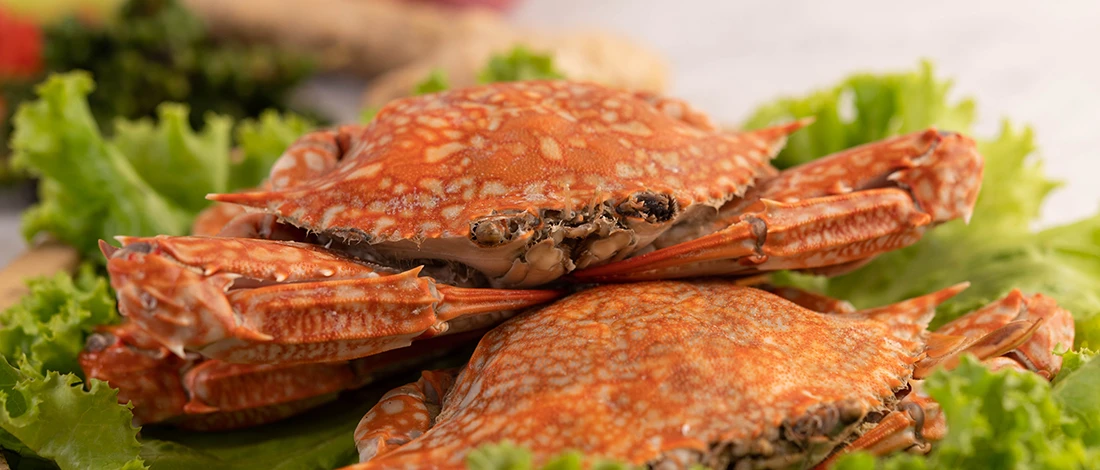
You can know crab meat is cooked by looking at the color of the shell and claws, which should be a bright orange or red. Note that raw crab meat is greenish-brown, so it’s easy to tell when it’s cooked.
Reference:
- https://www.sciencedirect.com/topics/food-science/crab-meat
You may also like
 Meat Guide · 9 min
How to Cook Steak on a Griddle? (6 Steps to Prepare)
 Meat Guide · 4 min
How Much Prime Rib per Person? (5 Ways to Get Prepared)
 Meat Guide · 6 min